1. What is intentional tattooing?
Intentional tattooing is a process that combines meditation, intention, and energy. It helps individuals process emotions, move on from past experiences, and manifest their desired future. The artist’s energy and the meaning behind the tattoo play a key role in the process.
2. What is an intuitive tattoo?
Intuitive tattooing is a method that can facilitate healing, self-discovery, and spiritual growth. The designs serve as visual reminders of one’s personal journey and their connection to the universe.
3. Can a tattoo trigger autoimmune disease?
Yes, certain autoimmune diseases, like sarcoidosis, can be triggered or flare up at the site of a tattoo. While infections are most common shortly after getting a tattoo, complications can occur, particularly for those with existing autoimmune conditions.
4. What is the tattoo for mental health?
One common tattoo symbolizing mental health is the semicolon. It represents a person’s decision to continue their life journey despite challenges such as suicidal ideation, depression, and anxiety.
5. Why do people tattoo and pierce themselves?
Tattoos and piercings are forms of self-expression, individuality, and personal style. People use them to reflect their interests, beliefs, and values, as well as to display art on their bodies.
6. What is trauma tattooing?
Trauma tattooing refers to using tattoos as a way to process emotional or physical trauma. The designs can represent healing and recovery from difficult experiences.
7. What is a 333 tattoo?
A 333 tattoo often symbolizes growth, change, and good fortune. The number three is considered lucky in many cultures, and 333 can be a reminder of positive transformation.
8. What tattoo symbolizes positive energy?
Tattoos like the sun, mandalas, and positive affirmations often symbolize positive energy, renewal, and the focus on a brighter outlook in life.
9. What are meaningful tattoos for anxiety?
Common designs include spiritual symbols such as mandalas, the hamsa, the tree of life, and the lotus flower. These tattoos represent overcoming struggles, protection, and personal growth.
10. Who shouldn’t get tattoos?
People with certain medical conditions like heart disease, diabetes, eczema, or psoriasis should consult with a doctor before getting a tattoo. These conditions can affect healing and the overall outcome of the tattoo.
11. Are tattoos bad for your liver?
Some tattoo inks may contain harmful substances that could potentially affect internal organs like the liver. These substances include carcinogens and heavy metals, which have been linked to various health risks.
12. Are tattoos unhealthy for you?
While most tattoos are safe when done correctly, some health risks include infections, allergic reactions, and possible long-term exposure to toxic substances in certain inks.
13. What do psychiatrists say about tattoos?
Psychiatrists suggest that tattoos can be a form of self-expression and coping mechanism for some people. They may represent personal narratives, independence, or resilience.
14. What is a bipolar tattoo?
Bipolar tattoos often represent the struggles and triumphs associated with living with bipolar disorder. Common designs may include symbols of balance and duality.
15. What is an angel tattoo?
An angel tattoo symbolizes protection, guidance, and spiritual connection. It can serve as a reminder of a loved one or represent personal faith.
16. What tattoos symbolize healing?
Tattoos that symbolize healing often include elements like lotus flowers, phoenixes, and mandalas, which represent rebirth, renewal, and the journey toward wellness.
17. What are toxic tattoos?
Toxic tattoos refer to those created using inks that contain harmful substances, including heavy metals and carcinogens, which can pose health risks.
18. What is stick and poke tattooing?
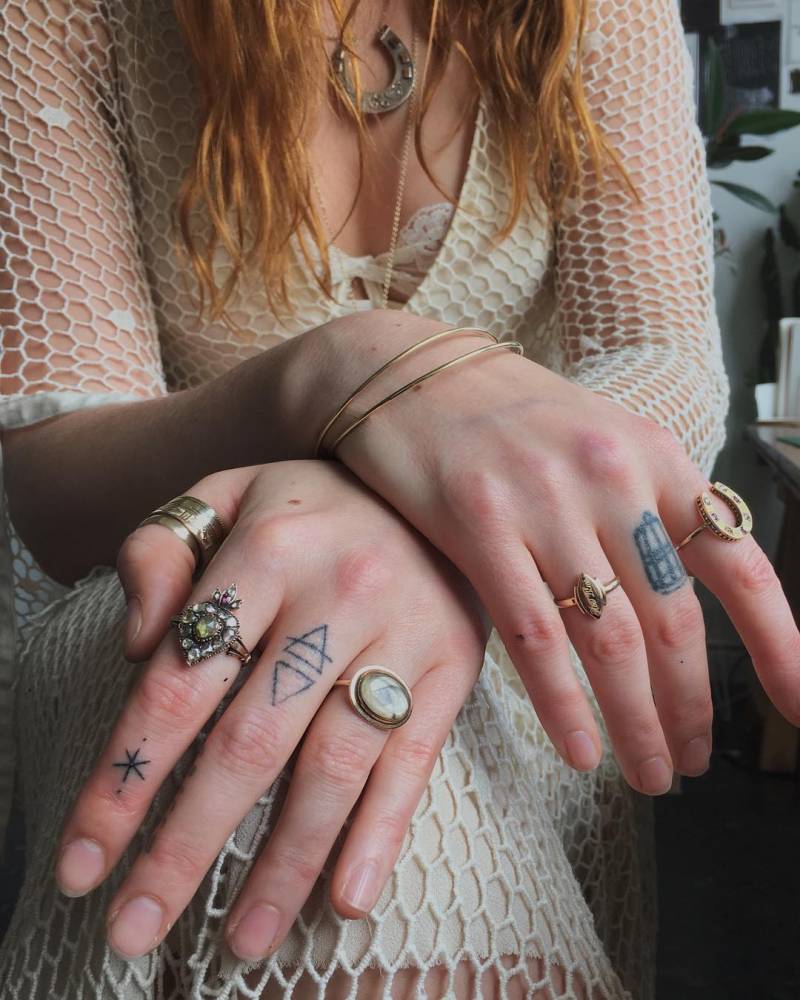
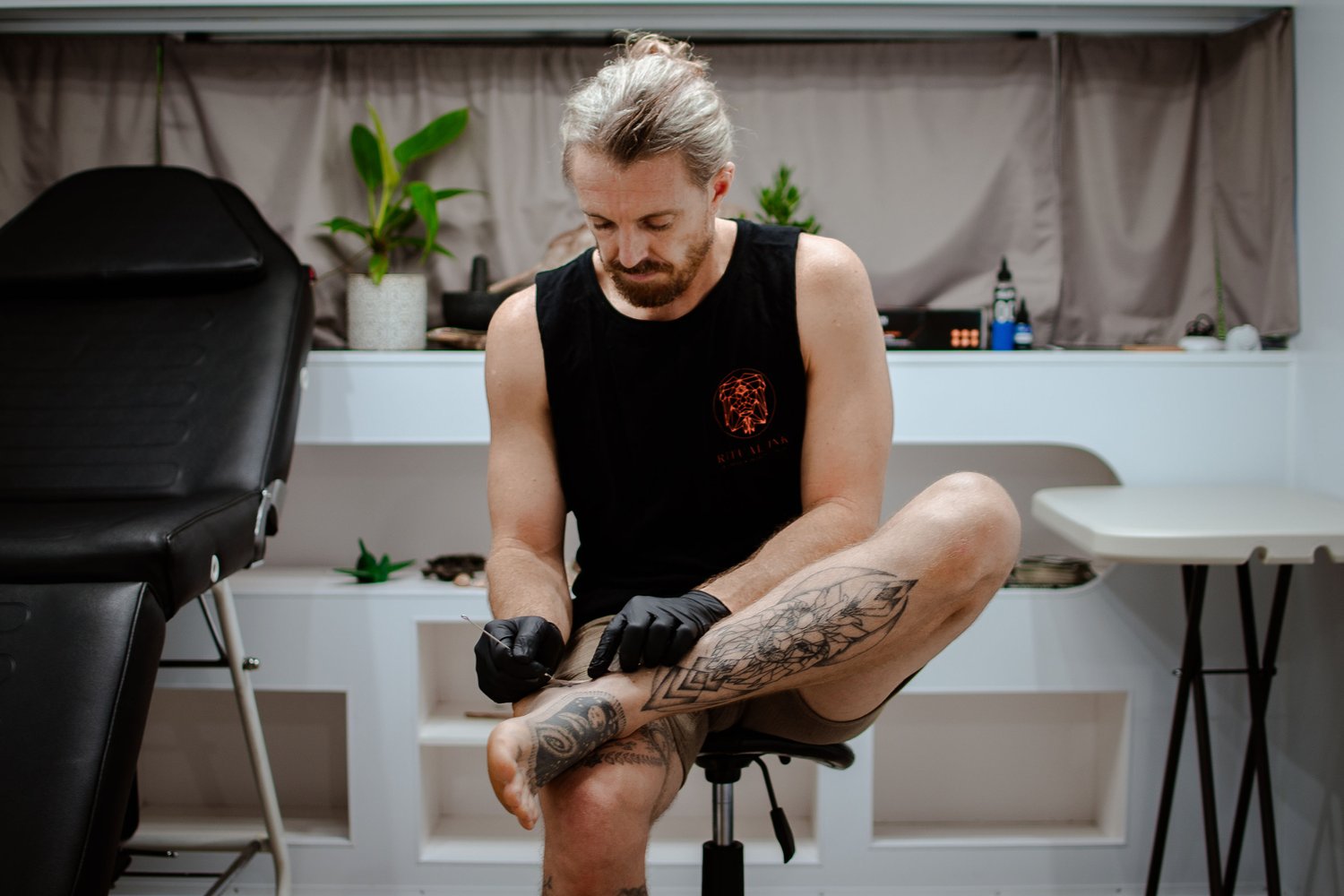
Stick and poke tattooing is a manual tattooing method where a single needle is used to create designs by hand, often resulting in a unique and personal aesthetic.
19. What are fine line tattoos?
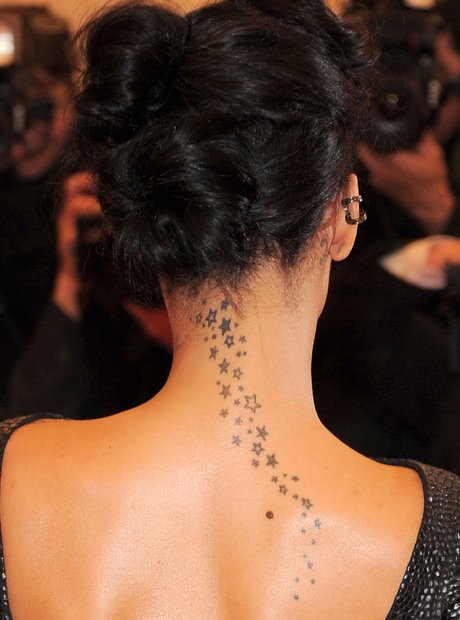
Fine line tattoos are characterized by their delicate, thin lines and intricate designs. They often feature minimalistic artwork that focuses on detail and precision.
20. What are feminine tattoos?
Feminine tattoos typically embrace designs that are soft, elegant, and often incorporate floral, delicate, or whimsical elements to reflect femininity.
21. What are the best tattoo designs?
The best tattoo designs vary by personal preference but often include meaningful symbols, intricate artwork, and styles that reflect individual stories or beliefs.
22. Does a tattoo hurt?
Yes, getting a tattoo can be painful, with the level of pain varying depending on the individual’s pain tolerance, the tattoo’s location, and the complexity of the design.
23. Does a hand-poked tattoo hurt more than a tattoo gun?
Pain levels can vary; some people find hand-poked tattoos less painful due to the slower application, while others may feel they are more intense because of the technique used.
24. How do I find a tattoo shop near me?
You can find a tattoo shop by searching online, asking for recommendations from friends, or checking local directories and social media for reviews and portfolios.
25. What is an eyebrow tattoo?
An eyebrow tattoo involves semi-permanent ink applied to enhance or create the appearance of eyebrows, often used for those with sparse or no hair.
26. What is a cosmetic tattoo?
Cosmetic tattoos are semi-permanent makeup techniques used to enhance facial features, such as eyeliner, lip color, and eyebrows, providing a polished look without daily makeup application.
27. Can I expose my tattoo to the sun?
It’s best to avoid direct sun exposure on a new tattoo as it can fade the ink and affect healing. Once healed, using sunscreen can help protect the tattoo from UV damage.
28. What are the disadvantages of tattoos?
Some disadvantages include the risk of infections, allergic reactions, regret, and the need for maintenance or touch-ups over time as skin changes.
29. What tattoos do not age well?
Tattoos with fine details or small lettering may not age well, as skin changes over time can distort the design. Larger, bold designs typically age better.
30. Where on the body do tattoos age best?
Tattoos generally age best on areas with fewer movements and less sun exposure, such as the upper arms, back, and thighs.
31. What is the most painful tattoo to get?
The most painful tattoos are often located on areas with less flesh and more bone or nerve endings, such as the ribs, spine, and feet.
32. What are the worst places to get tattoos?
Areas such as the hands, feet, and inner arms are considered less ideal for tattoos due to higher pain levels, fading potential, and skin movement.
33. What color tattoo ink to avoid?
Some colors, especially certain reds and yellows, can cause allergic reactions in some individuals. It’s important to patch test new inks before getting a tattoo.
34. Do tattoos affect lifespan?
There is no direct evidence that tattoos affect lifespan, but certain health risks associated with poorly done tattoos can impact overall health.
35. Are tattoos bad for the bloodstream?
If done improperly, tattoos can introduce bacteria into the bloodstream, leading to infections. It’s crucial to choose a reputable tattoo artist for safety.
36. What tattoos are considered trashy?
“Trashy” tattoos are subjective; designs perceived as poorly executed, offensive, or lacking thought may fall into this category for some people.
37. Can tattoos be removed?
Yes, tattoos can be removed through various methods, including laser removal, but complete removal may not always be possible, and it can be expensive.