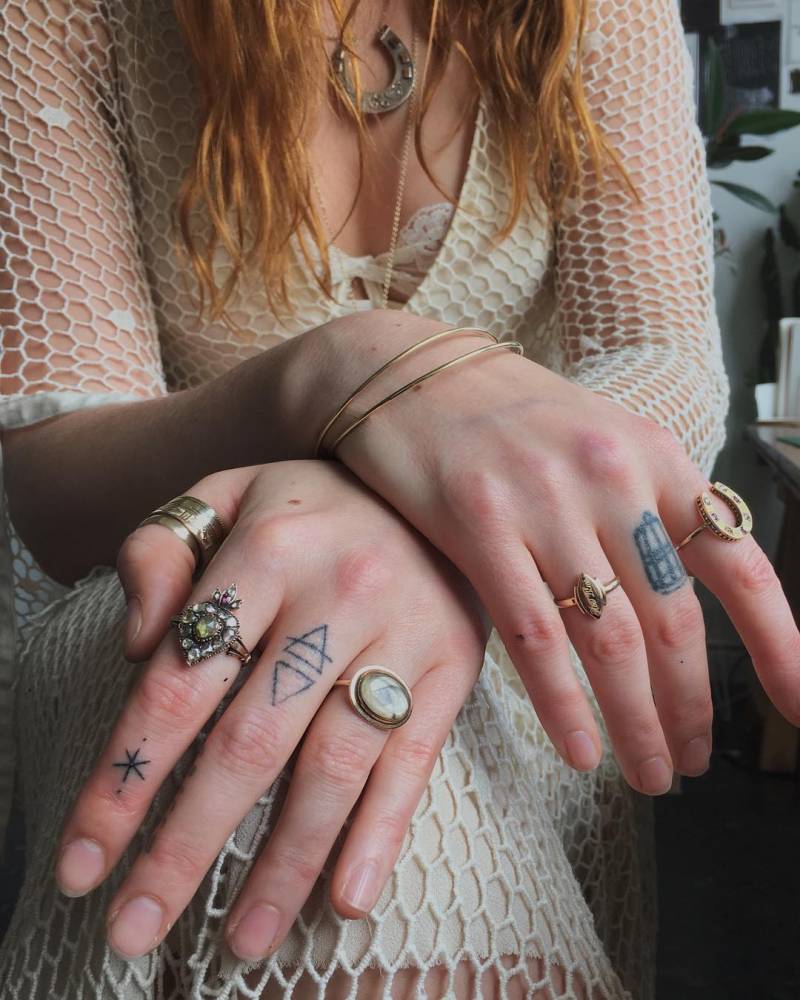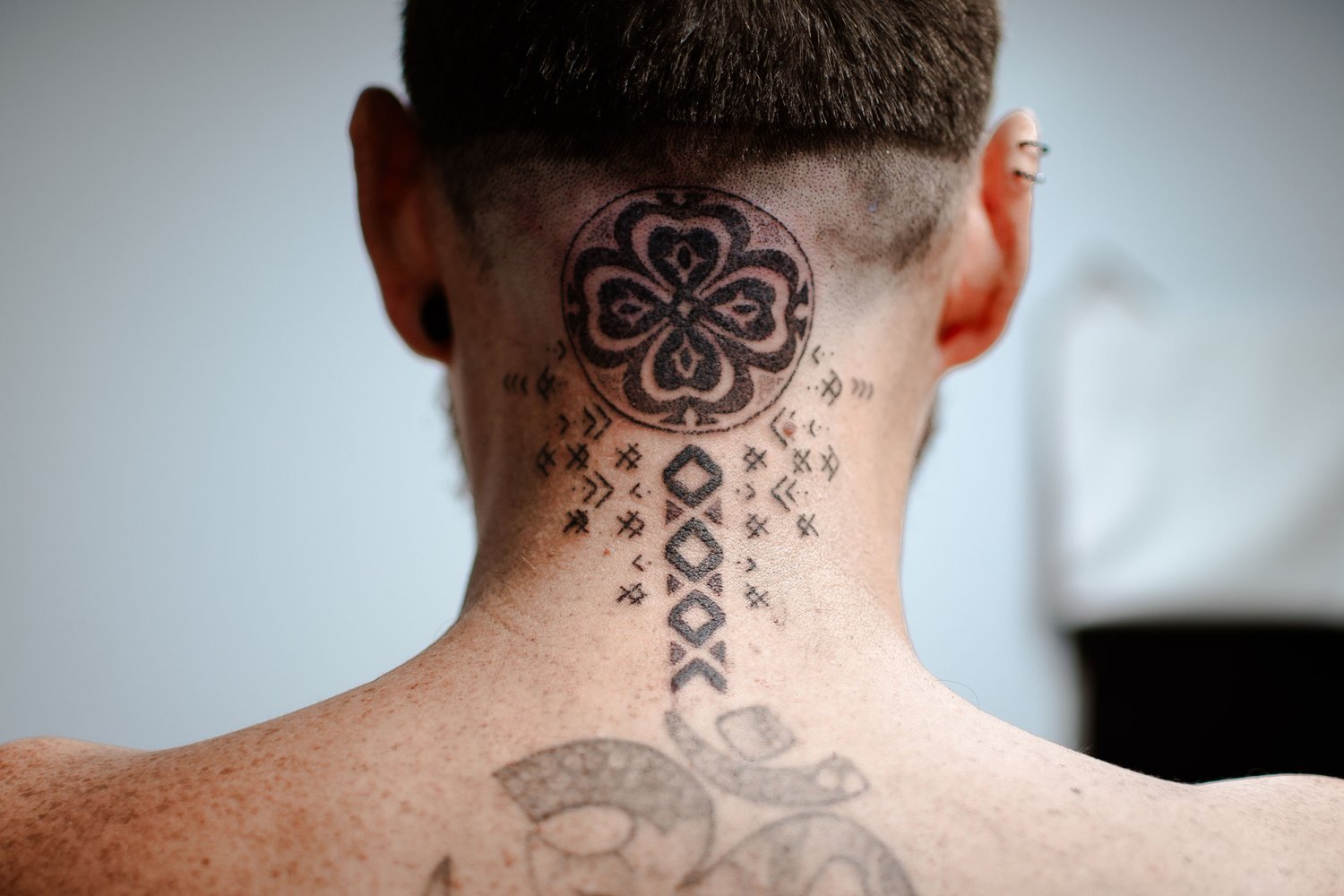
Stick and poke tattoos, also known as hand-poked or DIY tattoos, have a rich history that spans thousands of years. This ancient technique has recently experienced a resurgence in popularity, captivating a new generation of tattoo enthusiasts. Let’s look into the origins of this timeless art form.
Ancient Beginnings
The practice of stick and poke tattooing dates back to prehistoric times, with the oldest known evidence dating to around 5,300 years ago. These early tattoos were not merely decorative but often served therapeutic purposes. Ancient bodies discovered with tattoos showed markings that coincided with health issues such as joint problems, suggesting that tattoos may have been used as a form of early medical treatment.
Cultural Significance
Throughout history, stick and poke tattoos have held great cultural significance across various civilizations:
- Ancient Egypt: Mummified female bodies from around 2100 BC have been found with tattoos, particularly on the lower abdomen. Researchers believe these markings may have been related to fertility and healing.
- Indigenous Cultures: Many indigenous tribes used stick and poke tattoos as a means of identification and to mark important life events or achievements.
- Religious Practices: Various religious groups incorporated tattooing into their traditions, often as a symbol of devotion or spiritual protection.
- Chinese Medicine: In traditional Chinese medicine, tattoos were sometimes used as part of healing practices.
Traditional Techniques
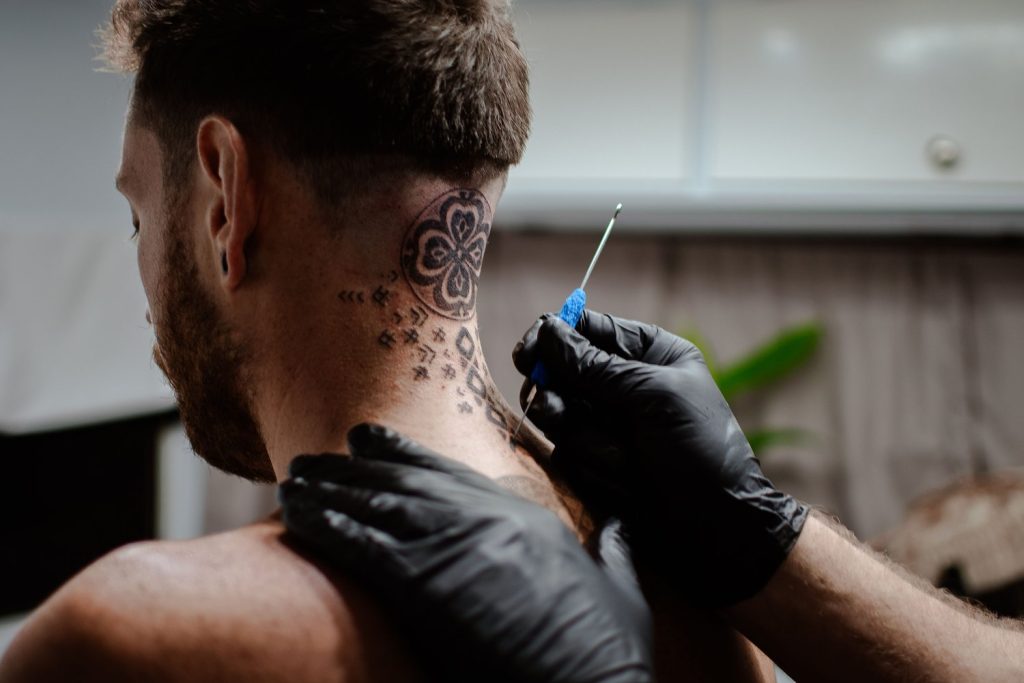
The tools and methods used for stick and poke tattoos have evolved over time:
- Early practitioners used needles made from materials such as wood, bone fragments, or thin sharp blades.
- Indigenous cultures often developed their own unique techniques, such as the Polynesian “tatau” and the Maori “ta moko”.
- In Thailand, Buddhist monks have practiced a form of stick and poke tattooing for centuries, using traditional inks and techniques.
Modern Revival
While the invention of the electric tattoo machine in 1891 led to a decline in hand-poked tattoos, the technique never completely disappeared. In recent years, stick and poke tattoos have experienced a significant resurgence:
- The style gained newfound popularity around 2015 when it was declared the “coolest tattoo style” by style.com.
- Many enthusiasts appreciate the intimate, handmade quality of stick and poke tattoos, viewing them as a return to the roots of tattooing.
- The DIY nature of stick and poke has made it popular among younger generations, who often practice the technique at home.
Characteristics of Stick and Poke Tattoos
Stick and poke tattoos have several distinctive features:
- Minimalist designs: Due to the time-consuming nature of the technique, stick and poke tattoos often feature simple, small-scale designs.
- Unique aesthetic: The manual application process results in slightly imperfect lines, which many enthusiasts find appealing.
- Dot-work technique: Stick and poke tattoos are created through an accumulation of dots, which form lines, shapes, and shading.
Modern Applications
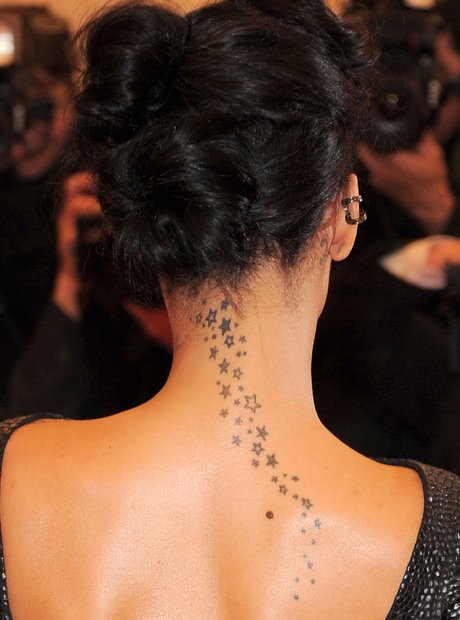
Today, stick and poke tattoos are practiced both by professional artists and DIY enthusiasts. While some traditionalists express concern about the mainstreaming of this ancient technique, many see it as a way to reconnect with the physical, intimate nature of tattooing.As the popularity of stick and poke tattoos continues to grow, it’s important to remember the rich history and cultural significance behind this ancient art form. Whether done by a professional or as a DIY project, stick and poke tattoos offer a unique connection to the past and a deeply personal approach to body art.